Nicosia Travel Guide
Nicosia's history, the walled city, Büyük Han, the Selimiye area, local food and how to get there from Ercan Airport.
Nicosia in brief
Nicosia (Lefkoşa), at the centre of Cyprus, is the island's capital, with a historic core ringed by Venetian walls and a many-layered culture. In North Nicosia, the Büyük Han, the area around the Selimiye Mosque, the Arasta, Bandabuliya, Samanbahçe and several museums are the main stops on a walking route. As one of the closest large towns to Ercan Airport, it is easy to add to even a short holiday.
A short history of Nicosia
Nicosia's past goes back to the ancient settlement of Ledra. The city grew under Lusignan rule in the Middle Ages and was reshaped by the Venetians with circular walls and eleven bastions. After it came under Ottoman rule in 1570, its cathedral, inns, baths, markets and houses took on new functions. The British colonial period spread the city beyond the walls.
Today Nicosia is a capital divided by a buffer zone under United Nations control. This is visible in its architecture, trade and daily life. The best way to understand the city is not just to see its monuments but to read how the walls, neighbourhoods and buildings from different periods relate to one another.
Historic places to visit in Nicosia
Büyük Han
Built in 1572, the Büyük Han ("Great Inn") is one of the most important Ottoman inns on the island. The two-storey rooms around its courtyard now house workshops, shops and cafés. Morning is a good time to photograph the architectural details and the quiet courtyard.
Selimiye Mosque and its surroundings
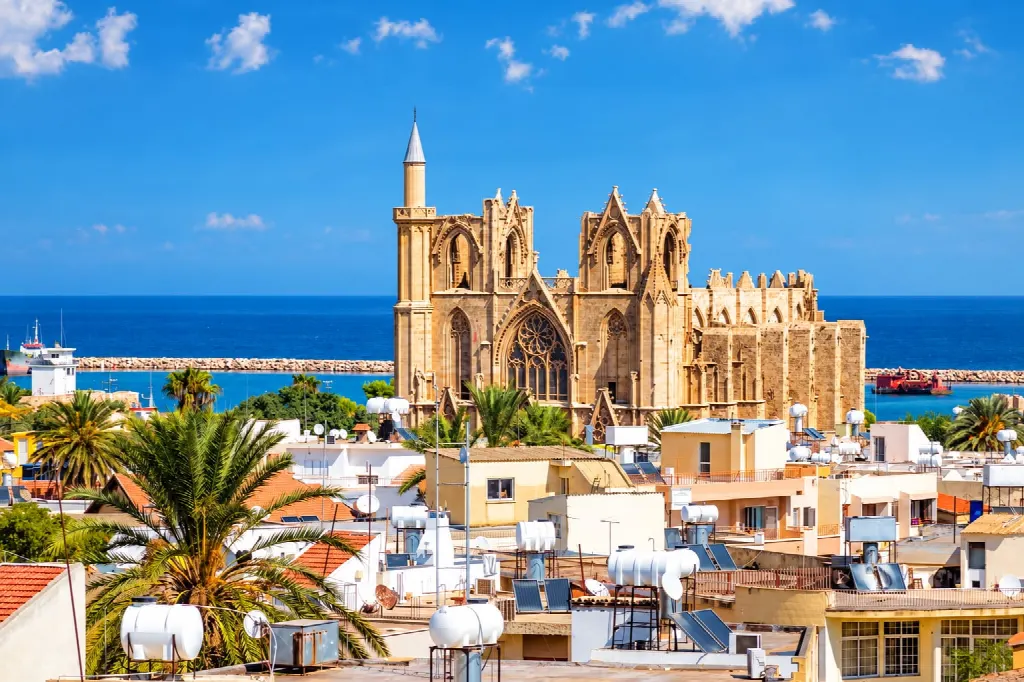
The building was constructed as the Cathedral of Saint Sophia in the Lusignan period and converted into a mosque under the Ottomans. Its Gothic façade beside the minarets is one of the strongest symbols of Nicosia's layered history. Respect prayer times and dress codes, and check restoration or access status before you go.
Bedesten
Near the Selimiye, the Bedesten has been used as a church, a covered market and a cultural venue in different periods. Brought back into city life through UNDP-supported conservation work, it is a good example of architectural transformation. Events and access may change.
Arasta and Bandabuliya
The Arasta, with its small shops and pedestrian streets, is the lively part of the historic centre. The Bandabuliya carries traces of traditional market culture. When looking for local produce, spices, coffee and handicrafts, try to tell local products apart from mass-produced souvenirs.
Samanbahçe houses
Developed in the late 19th century for low-income families, Samanbahçe, with its small courtyard houses and regular street plan, is considered one of the island's early examples of social housing. It is a living neighbourhood; respect residents' privacy when photographing doors and windows.
Mevlevi Museum and Dervish Pasha Mansion
These museums, which give an insight into Mevlevi culture and Ottoman city life, add depth to a walk inside the walls. Opening days and hours can change, especially at weekends, so check with the Department of Antiquities and Museums.
Museum of Barbarism
The museum in Küçük Kaymaklı is in the house where the İlhan family was killed during the events of 1963. It is a memorial site with harrowing images and may not be suitable for young children. It is more practical to get there by car from inside the walls.
Contemporary Nicosia
The Dereboyu area is lively in the evenings with its cafés and restaurants. Inside the walls, restored mansions, art spaces and small businesses combine the traditional fabric with contemporary city life. If your schedule allows, check local exhibitions and cultural events.
What to eat in Nicosia
- Şeftali kebabı: minced meat wrapped in caul fat and grilled.
- Fırın kebabı: a filling dish of slow-cooked meat and potatoes.
- Molehiya: a home-style dish of dried molehiya (jute mallow) leaves cooked with meat and lemon.
- Halloumi (hellim): eaten at breakfast, grilled or in pitta.
- Nor böreği and pilavuna: local options for lovers of baked goods and cheese pastries.
- Macun: a syrupy preserve made from walnuts, bitter orange or aubergine.
For local food, don't stick to the tourist squares; workers' restaurants and neighbourhood bakeries better reflect the city's everyday flavours.
Places to take photos
- The courtyard from the upper floor of the Büyük Han
- The Gothic façade of the Selimiye and the surrounding streets
- The neat rows of houses in Samanbahçe
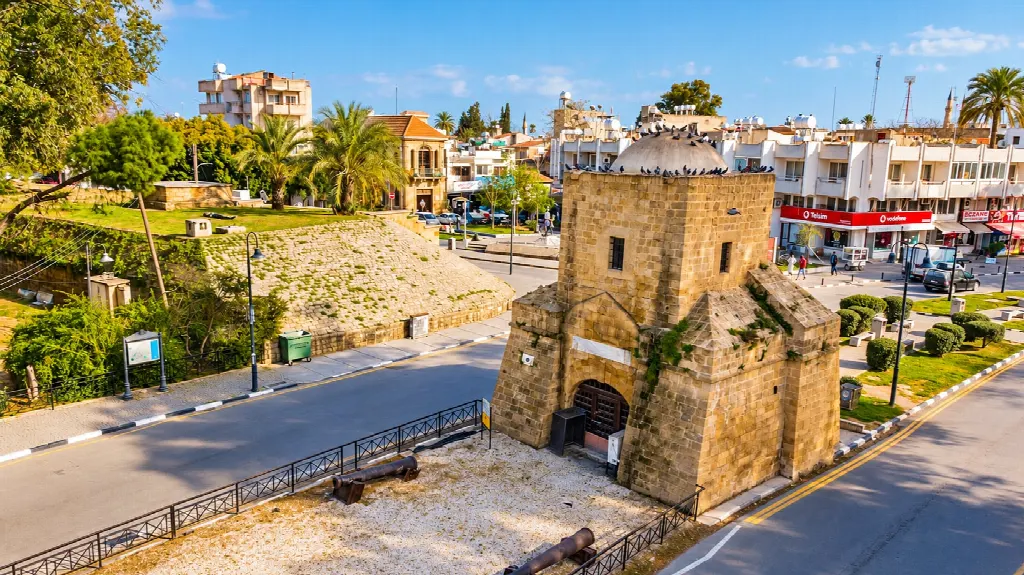
- The Kyrenia Gate and the walls
- The shop fronts of the Arasta
- The city skyline from outside the walls at sunset
Ask permission before taking close-up photos of people. Follow photography rules at border crossings, the buffer zone and security points.
Nicosia's cultural fabric
Nicosia carries architecture from the Ottoman, Lusignan, Venetian and British periods alongside the modern urban life of the Turkish Cypriots. Turkish is the main language; traditional coffee houses, markets and neighbourly culture sit side by side with modern cafés and art spaces. Recent history and division are clearly part of the city's identity. When discussing sensitive subjects, avoid one-sided generalisations and respect different collective memories.
Getting to Nicosia and getting around
The journey between Ercan Airport and Nicosia usually takes about 25–40 minutes, depending on the address and traffic. A pre-booked private transfer from the airport is practical, especially for night arrivals and for getting straight to your hotel with luggage.
The main part of the walled city can be explored on foot. However, you need a car for the Museum of Barbarism, Dereboyu and stops outside the walls. Visitors who don't want to look for parking can choose a transfer with a driver who drops them in the centre and picks them up at an agreed time.
Our transport tip: With Transfer Kıbrıs VIP you can plan your Ercan–Nicosia transfer in a single booking that continues to Kyrenia or Famagusta on the same day. This saves looking for separate cars and carrying luggage around. Go to the booking form
A one-day Nicosia route
09:00: Kyrenia Gate and the Mevlevi Museum area
10:00: Samanbahçe and the Dervish Pasha Mansion
11:30: Break at the Büyük Han
12:30: Selimiye, Bedesten, Arasta and Bandabuliya
14:00: Local lunch
15:30: A museum or art space, depending on your interests
17:00: Coffee in Dereboyu or inside the walls
If you add the Museum of Barbarism, check its opening days and put it in the morning.
Where to stay in Nicosia
The capital's first five-star hotel, Merit Lefkoşa, is a comfortable central choice for business and cultural trips. To stay in the middle of the café and restaurant scene, look at Grand Pasha Nicosia on Dereboyu; for a practical stay near the bus station, City Royal Hotel.
All of them are on the Nicosia hotels page. Ercan is the closest airport to the capital; the transfer to your hotel takes about half an hour.
Frequently asked questions
How many days do you need for Nicosia?
The main sights inside the walls can be seen in a day. Allow two days to enjoy the museums, art spaces and local life at a calmer pace.
Can you visit Nicosia in summer?
Yes, but the city can get very hot. Start early, take an indoor break at midday and carry water.
Can you do a day trip from Nicosia to Kyrenia?
Yes. The two cities are connected by road. A half-day or full-day car can be planned for Kyrenia Castle, the harbour and Bellapais.